

Introduction: Why Multiplayer Gaming Matters in Modern Video Games
Video games are no longer just a way to spend free time. For many people, they are also a way to connect with friends, compete with other players, and enjoy shared experiences. Multiplayer gaming makes this possible by allowing people to work together or compete, whether they are sitting in the same room or playing online from different countries.
According to Pew Research Center’s 2024 study, 72% of U.S. teen video game players say spending time with others is one reason they play. This shows how social interaction has become an important part of gaming.
Understanding multiplayer gaming in Video Games PlayBattleSquare helps readers explore the teamwork, competition, and friendships that make modern games enjoyable. From casual matches to competitive tournaments, multiplayer experiences offer more than simply reaching the next level.
What Is in Video Games PlayBattleSquare?
PlayBattleSquare is a gaming-related website that publishes articles about games, strategies, and gaming trends. Readers can explore its official website to learn more about the topics it covers.
The phrase “in Video Games PlayBattleSquare” can be understood as a topic connecting multiplayer gaming with the information and discussions associated with PlayBattleSquare. It is important to distinguish between a gaming website and a playable multiplayer game, as the website’s articles do not necessarily mean that it hosts a game directly.
For gaming enthusiasts, this topic offers an opportunity to understand how multiplayer experiences work, why players enjoy competing with others, and how different game genres create unique experiences.
What Is Multiplayer Gaming? Understanding the Basics
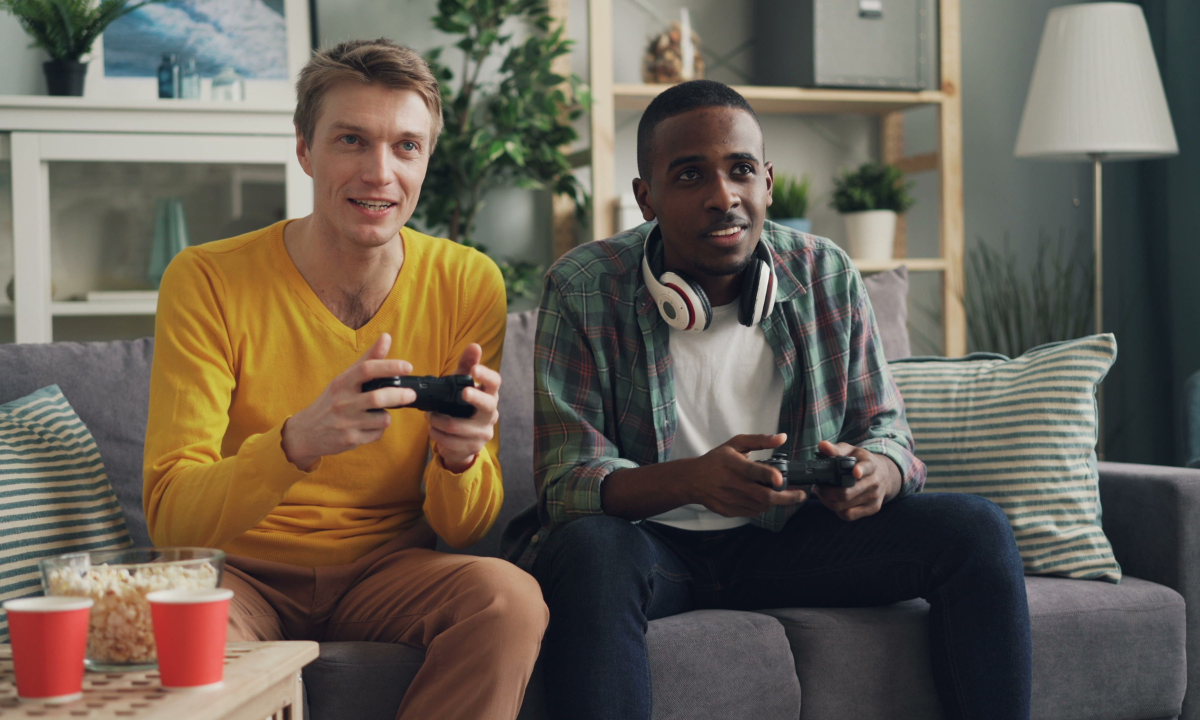
Multiplayer gaming allows two or more people to play the same game together. Depending on the game, participants can compete against each other, cooperate toward a common goal, or switch between competitive and cooperative activities.
Some multiplayer games support local play on the same device or network, while others connect players through the internet. Online games may include small team matches, large competitive battles, racing competitions, or expansive virtual worlds.
For example, one player might enjoy teaming up with friends in a cooperative adventure, while another prefers testing their skills against strangers in ranked matches. This variety makes multiplayer gaming appealing to people with different interests and experience levels.
How Multiplayer Gaming Brings People Together
One of the biggest advantages of multiplayer gaming is its ability to connect people through shared interests. Friends can play together even when they live far apart, while family members can enjoy suitable games as a shared activity.
Online matches can also introduce players to people from different countries and cultures. Working toward a common objective provides a natural opportunity to communicate, exchange ideas, and develop friendships.
Pew Research Center found that 47% of U.S. teen video game players had made a friend online through a video game. Although this statistic applies specifically to teenagers in the United States, it illustrates how gaming can create opportunities for social connections.
In Video Games PlayBattleSquare, this social side of gaming is an important part of understanding why multiplayer experiences can feel more meaningful than playing alone.
The Role of Teamwork and Communication in Multiplayer Games
Teamwork often determines whether a group succeeds or struggles in a multiplayer game. Players may need to share information, coordinate movements, protect teammates, and decide which objectives deserve attention.
In a team-based shooter, for example, one player might watch a particular route while another supports teammates and others focus on completing the objective. Without clear communication, even skilled players can struggle to work effectively together.
Leadership matters, too. A good team leader listens to others, explains plans clearly, and helps the group adjust when a strategy fails. These experiences provide opportunities to practise coordination, cooperation, and decision-making while enjoying the game.
Competition, Challenges, and the Thrill of Playing Against Others
Competing against real people adds unpredictability to gaming. Human opponents can change their tactics, react unexpectedly, and force players to rethink their approach.
Ranked matches give players a way to measure progress, while tournaments offer structured competition. Friendly rivalries can be just as enjoyable, especially when friends challenge each other to improve their scores or win the next match.
However, winning is not the only reward. Learning from mistakes, improving personal skills, and helping a team achieve its goal can make a match worthwhile. Respecting opponents and accepting losses also help keep competition enjoyable.
How Multiplayer Gaming Improves Problem-Solving and Strategic Thinking
Multiplayer games often require players to make decisions quickly. They may need to evaluate risks, manage resources, predict opponents’ actions, and change their plans when circumstances shift.
A strategy game might require careful resource management, while a racing game demands quick reactions to changing track conditions. Cooperative adventures can challenge players to solve puzzles and combine their abilities to overcome obstacles.
Research published by Pew Research Center in 2024 found that 56% of U.S. teen video game players said gaming had helped their problem-solving skills. This is a report of players’ experiences, not proof that every game improves real-world abilities.
Nevertheless, many multiplayer games provide engaging opportunities to practise evaluating options, adapting to new situations, and learning from failure.
The Social and Emotional Benefits of Multiplayer Gaming
Playing with others can create a sense of belonging. Completing a difficult mission, helping a teammate, or celebrating a close victory can become a memorable shared experience.
Gaming can also help friends stay connected when meeting in person is difficult. Regular gaming sessions offer an opportunity to talk, laugh, and enjoy a common interest.
However, healthy habits remain important. Players should make time for sleep, exercise, education, work, and relationships outside gaming. The World Health Organization’s guidance on gaming disorder explains that gaming becomes a serious concern when impaired control and continued play significantly disrupt everyday life.
Popular Multiplayer Game Genres That Keep Players Engaged
Different multiplayer genres offer different ways to compete and cooperate. Popular examples include:
- Battle royale: Fortnite challenges players to survive and outlast their opponents.
- First-person shooters: Counter-Strike 2 focuses on tactical decisions, accuracy, and teamwork.
- Sports games: EA Sports FC allows players to compete in virtual football matches.
- Racing games: Mario Kart 8 Deluxe combines fast-paced racing with competitive multiplayer action.
- MMORPGs: World of Warcraft lets players explore a persistent fantasy world and participate in group quests.
- Cooperative adventures: It Takes Two requires two players to work together to solve puzzles and overcome challenges.
Common Challenges in Multiplayer Gaming and How to Overcome Them
Despite its benefits, multiplayer gaming has challenges. Unstable internet connections, frustrating losses, disagreements, and toxic behaviour can make online matches less enjoyable.
Pew Research Center’s 2024 study found that 41% of U.S. teen video game players had been called an offensive name while playing. This highlights why respectful communication and player safety matter.
Players can help create a better experience by muting abusive users, reporting inappropriate behaviour, and choosing welcoming gaming communities. Checking network settings may also help with connection issues.
When a match becomes frustrating, taking a short break can help. Treating losses as learning opportunities rather than personal failures makes it easier to enjoy the game over time.
The Future of Multiplayer Gaming: What’s Next for Online Play?
Multiplayer gaming continues to evolve as developers explore cross-platform play, cloud gaming, improved matchmaking, and more accessible experiences. Cross-platform support can allow people using different devices to play together when a particular game supports the feature.
Developers are also exploring better moderation tools and accessibility options. These improvements may help more people participate while making online environments safer and more welcoming.
The future will depend partly on how well developers address challenges such as connection quality, fair competition, and player behaviour. Regardless of the technology involved, social interaction and shared challenges will remain important reasons many people enjoy multiplayer games.
Why Multiplayer Gaming Matters to the PlayBattleSquare Gaming Community
For readers interested in PlayBattleSquare, multiplayer gaming provides a useful starting point for exploring gaming strategies, different genres, and online gaming culture. Beginners can learn about basic gameplay concepts, while experienced players can explore new approaches and follow developments in the gaming world.
Articles about teamwork, competition, responsible gaming, and emerging trends can help readers understand the wider multiplayer experience. Readers should consult the relevant PlayBattleSquare pages for specific information about the website’s content and services.
Final Thoughts
Multiplayer gaming matters because it brings people together through teamwork, competition, and shared experiences. It can provide opportunities to build friendships, practise decision-making, and enjoy challenges that feel different when other people are involved.
From tactical shooters to cooperative adventures, multiplayer games offer many ways to have fun and connect with others. At the same time, respectful communication and healthy gaming habits are essential for keeping the experience positive.
Exploring multiplayer gaming in Video Games PlayBattleSquare means looking beyond scores and victories. It means appreciating the people, strategies, and memorable moments that make gaming an enjoyable part of modern life.
