

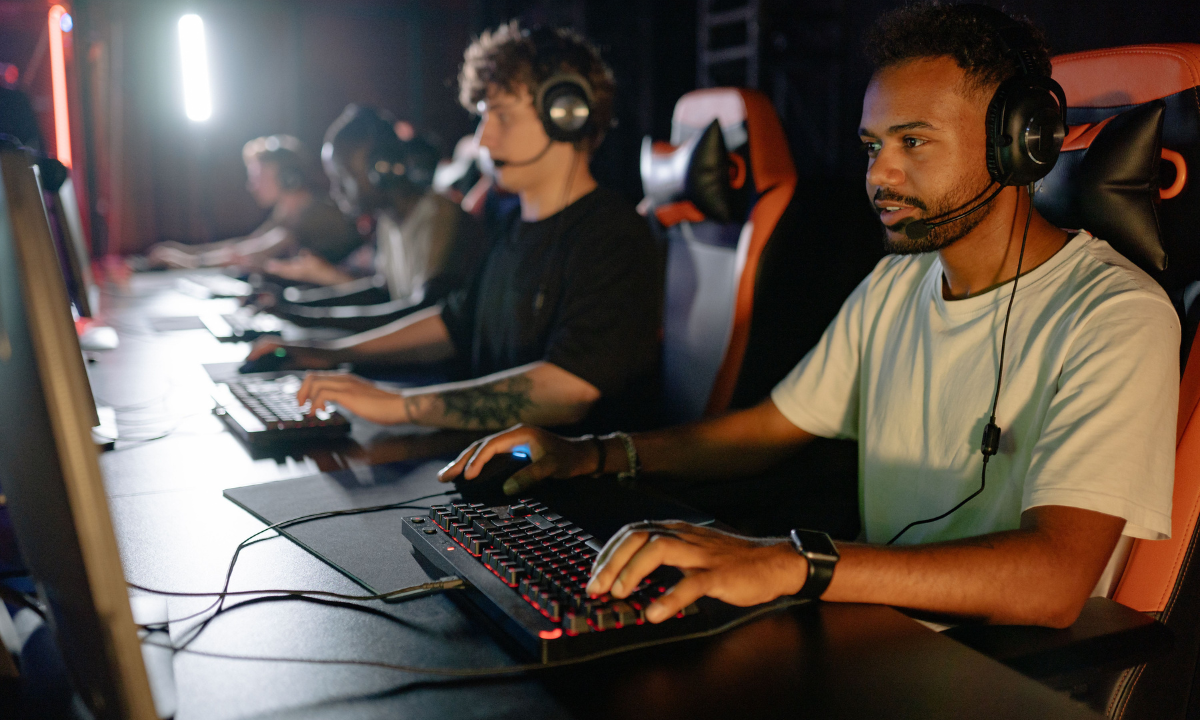
Winning more games is not just about speed or luck. It also requires smart decisions, patience, practice, and a clear understanding of how a game works. Whether you are a beginner or an experienced player, improving your approach can help you handle challenges more confidently and avoid common mistakes.
Playbattlesquare.com Tactics is the main focus of this guide. This article explores practical gaming strategies, from learning the basics to analyzing opponents and improving your performance. By applying these general principles consistently, you can develop better gaming habits and make more informed decisions during gameplay.
What Is Playbattlesquare.com Tactics?
Playbattlesquare.com Tactics refers to the strategies and decision-making techniques discussed in this guide to help players approach gaming challenges more effectively. These include understanding objectives, recognizing opponents’ patterns, managing risks, and learning from previous matches.
Good tactics do not guarantee victory in every game. Instead, they help you make thoughtful decisions and respond more effectively when situations change. The key is to understand the rules of your particular game and choose strategies that fit its objectives.
How to Get Started on Playbattlesquare.com
Getting started is easier when you understand the platform and the game you want to play. Explore the available gaming guides, read the relevant instructions, and become familiar with the basic rules before trying advanced strategies.
Learn the Basic Rules and Controls
Every game has its own controls, mechanics, and rules. Take time to understand how the game works, which actions are available, and what you need to accomplish to win. If instructions are unclear, consult the game’s official documentation instead of relying on assumptions.
Understand Your Game Mode and Objectives
Different game modes may reward different approaches. Some focus on completing objectives, while others emphasize survival, scoring, or defeating opponents. Identify your main objective before playing so that your decisions support the result you want to achieve.
Build a Strong Foundation Before Competing
Practice basic movements, controls, and essential actions whenever a practice option is available. Learning these fundamentals first can help you concentrate on strategy instead of struggling with unfamiliar mechanics.
Essential Playbattlesquare.com Tactics for Beginners
Beginners can improve by focusing on a few essential habits rather than trying complicated strategies immediately. The most effective starting points are understanding the game, making careful decisions, and learning from experience.
Master the Basics Before Trying Advanced Strategies
Advanced techniques are easier to understand when you have mastered the fundamentals. Spend time learning the controls, recognizing important game situations, and performing basic actions consistently. Once these skills become familiar, you can gradually experiment with more challenging approaches.
Focus on Timing, Positioning, and Decision-Making
Timing can influence the success of an action, while positioning can affect your available options. Before making an important move, consider your current situation, the possible consequences, and what you want to accomplish. These small decisions can make your overall approach more effective.
Learn From Every Match You Play
Every match offers an opportunity to improve. Think about which decisions helped you and which ones created problems. Rather than changing everything after a single loss, identify one weakness and work on correcting it during your next session.
The Best Strategies to Win More Games
Winning consistently requires more than following a fixed plan. You need to observe what is happening, consider your options, and adjust your approach when necessary. These Playbattlesquare.com Tactics can help you build a more thoughtful gaming strategy.
Analyze Your Opponents’ Moves
Pay attention to your opponents’ actions and look for repeated patterns. Some players may prefer aggressive approaches, while others may be more cautious. Recognizing these tendencies can help you prepare for possible moves and avoid predictable responses.
However, do not assume that an opponent will always follow the same pattern. Stay observant and adjust your decisions as the match develops.
Make Smarter Decisions Under Pressure
Pressure can make players rush into decisions without considering the consequences. When possible, pause briefly and evaluate your available options. Think about which action supports your objective and which could create unnecessary problems.
A calm, deliberate decision is often more useful than a rushed move made without a clear plan.
Adapt Your Strategy to Different Situations
No single strategy works equally well in every situation. Your approach may need to change depending on the opponent, available resources, game objectives, and current conditions.
Review the situation before committing to a plan. If your original approach stops working, be willing to adjust instead of repeating the same actions and expecting a different result.
Know When to Attack, Defend, or Wait
Aggressive actions can create opportunities, but they may also expose weaknesses. Defensive decisions can reduce immediate risks, while waiting can give you more time to understand a situation.
Choose your approach according to the game’s mechanics and your current position. The goal is not to attack constantly or avoid every risk, but to recognize which action best supports your objective.
Advanced Playbattlesquare.com Tactics
Once you understand the basics, you can improve your approach by thinking several steps ahead. Advanced Playbattlesquare.com Tactics involve planning for different outcomes, anticipating possible challenges, and making decisions based on both rewards and risks.
Develop a Flexible Game Plan
Start each match with a clear objective, but avoid becoming too attached to one strategy. Consider an alternative approach in case your first plan becomes ineffective. Flexibility allows you to respond more effectively when opponents make unexpected moves or circumstances change.
Anticipate Opponents’ Strategies
Use your observations to consider what an opponent might do next. Think about their previous actions, current position, and possible objectives. Preparing for different outcomes can help you respond more confidently, although no strategy can predict every decision accurately.
Improve Your Risk Assessment
Before making a major move, compare its potential benefits with the possible consequences. Ask yourself what you could gain, what you might lose, and whether another option offers a better balance.
Taking risks can sometimes be necessary, but unnecessary risks may undermine an otherwise strong strategy. Make sure your decisions have a clear purpose.
Turn Mistakes Into Winning Opportunities
Mistakes are a natural part of learning. Instead of allowing one poor decision to affect the rest of a match, examine what went wrong and identify your next best option.
If the situation can be recovered, focus on correcting your approach. If it cannot, use the experience to avoid repeating the same mistake in future matches.
Common Mistakes to Avoid on Playbattlesquare.com
Even skilled players can make mistakes when they become impatient or stop evaluating their decisions. Recognizing these habits can help you improve your Playbattlesquare.com Tactics and develop a more consistent approach.
Making Decisions Without a Clear Plan
Acting without a clear objective can waste valuable opportunities. Before making an important move, consider what you want to achieve and how that action supports your goal. A simple plan can help you avoid unnecessary decisions.
Ignoring Opponents’ Patterns
Concentrating only on your own actions can cause you to miss important information. Observe how other players behave and look for repeated tendencies. Use these observations to inform your decisions while remaining prepared for unexpected changes.
Repeating the Same Mistakes
If a particular action repeatedly leads to poor results, continuing without making adjustments is unlikely to help. Review the circumstances, identify the reason behind the mistake, and try a different approach when appropriate.
Taking Unnecessary Risks
Risky moves may occasionally produce rewards, but they can also create avoidable setbacks. Do not take unnecessary chances simply because you feel pressured to act. Consider the possible consequences and choose an approach that fits your objective.
How to Improve Your Skills and Game Performance
Improving your performance requires patience and consistent effort. Set realistic goals, review your decisions, and focus on developing one skill at a time rather than expecting immediate results.
Practice Consistently and Set Clear Goals
Establish a practice routine that fits your schedule. Choose specific goals, such as improving control accuracy, making fewer rushed decisions, or recognizing common opponent patterns. Clear objectives make it easier to identify what you need to improve.
Review Your Previous Matches
After each match, reflect on important decisions and missed opportunities. If your game provides recordings or performance statistics, use them to identify recurring problems. Reviewing actual gameplay can help you understand why a particular approach succeeded or failed.
Track Your Progress Over Time
Keep simple notes about your performance, common mistakes, and improvements. Review these notes regularly to see whether your practice is helping. Tracking progress also makes it easier to identify areas that need additional attention.
Learn From Experienced Players
Experienced players can offer useful insights into strategy, timing, and decision-making. Watch tutorials or gameplay explanations that focus on the reasons behind particular actions. Adapt relevant lessons to your own skill level and test them before making them part of your regular approach.
Tips for Staying Focused During Gameplay
Concentration is an important part of good decision-making. Even a strong strategy can become less effective when you are distracted, tired, or frustrated. Developing healthy gaming habits can help you stay attentive and approach challenges more calmly.
Avoid Rushing Important Decisions
Whenever the game allows it, take a moment to evaluate important choices. Consider your objective, the available options, and the likely consequences. This brief pause can help you avoid careless mistakes and remain focused on your strategy.
Manage Frustration After a Loss
Losing can be disappointing, especially when you feel that you could have played better. Instead of reacting emotionally, identify one useful lesson from the experience. Take a break if needed, then return with a clear goal for your next session.
Remember that one loss does not define your overall ability. Consistent learning matters more than expecting to win every match.
Maintain Concentration During Long Sessions
Long gaming sessions can make it harder to maintain attention. Take regular breaks, drink enough water, and avoid playing when you are too tired to think clearly. Short breaks can help you return with renewed focus and a more balanced mindset.
Conclusion
Improving your gaming performance takes practice, patience, and a willingness to learn from experience. The most useful Playbattlesquare.com Tactics include mastering the basics, observing opponents, making informed decisions, managing risks, and adapting when a strategy stops working.
Start with simple improvements, review your performance regularly, and set realistic goals for each session. Remember that every game has its own mechanics, so verify the rules of the specific game before applying a particular technique.
