
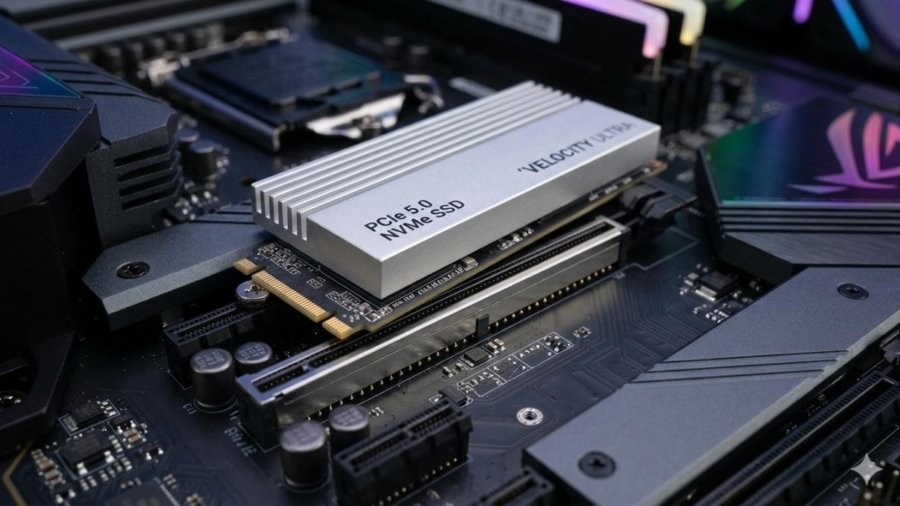
The storage industry has undergone continuous improvement over the years, and each generation of SSD has brought significant performance upgrades. In 2026, the Gen 5 SSD represents the latest mainstream advancement in consumer storage technology. It is designed for users who require extremely high data transfer speeds, reduced latency, and better overall system responsiveness. It is primarily used in high-performance gaming systems, professional content creation setups, and advanced computing environments.
Why Gen 5 SSD is Trending in 2026
The growing demand for faster storage is driven by modern computing needs. Applications and games have become significantly larger and more complex. File sizes for AAA games, high-resolution video editing projects, and AI-based workloads have increased rapidly. Users in gaming, video production, and engineering fields are particularly interested in reducing loading times and improving workflow efficiency.
Evolution of SSD Technology (HDD to Gen 5)
Hard Disk Drives were the earliest mainstream storage devices, relying on mechanical spinning disks, which limited speed and durability. SATA SSDs replaced mechanical drives with flash memory, significantly improving speed but still limited by SATA interface bandwidth.
What Is Gen 5 SSD?
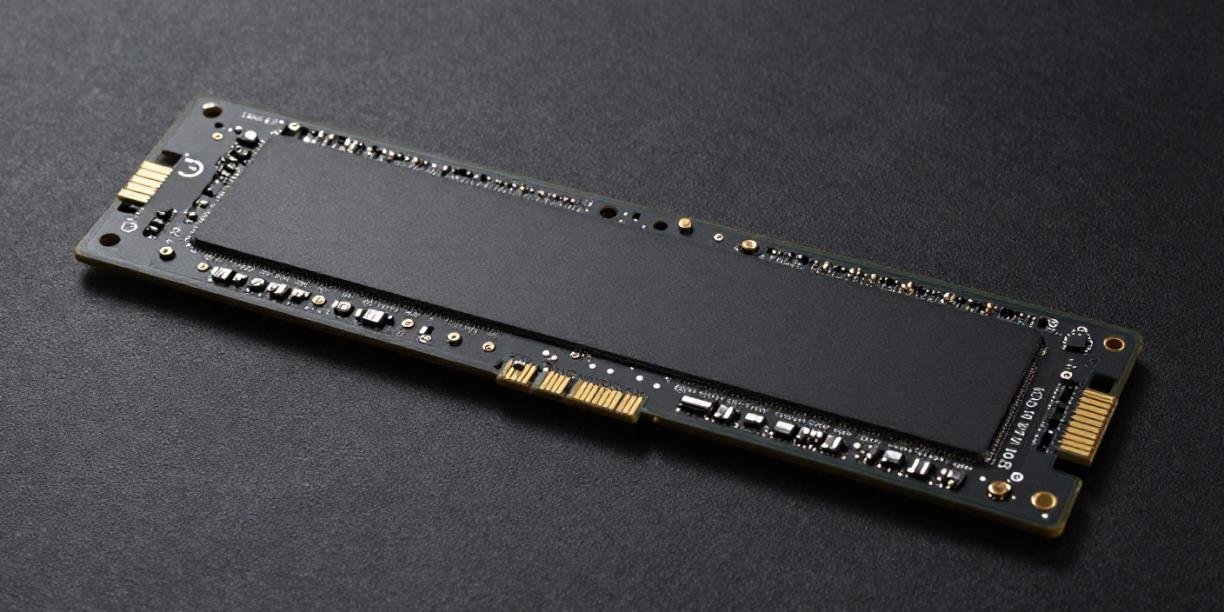
It is a solid-state drive that uses PCIe 5.0 interface lanes to achieve extremely high-speed data transfer between storage and system components. It is designed for modern computing environments where speed and responsiveness are critical.
Simple Definition of It
It is a high-speed storage device that stores data electronically and retrieves it much faster than previous SSD generations. It improves system performance by reducing loading times and increasing data throughput.
PCIe 5.0 Explained in Easy Words
PCIe 5.0 is a data transfer standard used for communication between hardware components in a computer system. Each generation of PCIe increases the amount of data that can be transferred per second. PCIe 5.0 doubles the bandwidth of PCIe 4.0, allowing more data to move simultaneously between the SSD, CPU, and memory.
How It Differs from Previous SSD Generations
It differs from older SSDs in several ways. It provides higher sequential read and write speeds, which improves file transfer and loading performance. It also reduces latency, which means data is accessed more quickly.
How Gen 5 SSD Works
It works by using multiple PCIe 5.0 lanes to transfer data between storage memory and system memory at very high speed. This allows faster communication between hardware components inside the computer.
Role of PCIe 5.0 Interface
The PCIe 5.0 interface acts as a communication channel between the SSD and the CPU. It determines how quickly data can move within the system. A wider and faster interface allows more data to be transferred at the same time, which directly improves system performance.
Data Transfer Process in Gen 5 SSD
When a user opens a file, launches a game, or loads software, the system sends a request to the SSD. The SSD retrieves the required data from its flash memory and transfers it through the PCIe 5.0 interface to the system memory.
Why It Is Faster Than Gen 4 SSD
It is faster primarily due to increased bandwidth. It allows nearly double the data transfer capacity compared to Gen 4 SSD. In addition, improvements in controller technology and memory architecture help reduce delays and improve efficiency in handling large data sets.
Gen 5 SSD Speed and Performance
The most important feature of it is its speed. It is currently the fastest consumer storage technology available. It can deliver extremely high sequential read speeds, often exceeding ten gigabytes per second depending on the model. Write speeds are also significantly improved, allowing faster storage of large files such as videos, games, and software packages.
Real-World Performance (Gaming, Boot, Apps)
In real-world usage, Gen 5 SSD provides noticeable improvements in certain tasks. Operating systems boot more quickly, large games load faster, and applications open with reduced delay. File transfers between drives are significantly faster, especially for large datasets.
Benchmark Expectations in 2026
Benchmark tests show that it leads in sequential performance metrics. However, real-world improvement depends on system configuration, CPU performance, and software optimization.
Gen 5 SSD vs Gen 4 SSD
| Category | Gen 4 SSD | Gen5 SSD |
| Speed Comparison | Up to ~7 GB/s, fast performance for most users | Up to ~14 GB/s, nearly double bandwidth and much faster data transfer |
| Gaming Performance | Fast game loading and smooth gameplay | Faster loading times and improved asset streaming, no FPS improvement |
| Productivity & Editing | Good for video editing, 3D work, and development | Faster rendering, quicker file access, improved workflow efficiency |
| Is It Worth It? | Best value for general users and gamers | Best for professionals, creators, and high-end users needing maximum speed |
Key Features of Gen 5 SSD
- Ultra-High Speed Data Transfer: It delivers extremely fast data transfer rates for demanding applications.
- Advanced Controller Technology: Modern SSD controllers help manage performance, efficiency, and thermal output.
- Improved Bandwidth and Efficiency: PCIe 5.0 doubles available bandwidth compared to previous generations.
- Future-Proof Storage Support: It is designed to support future software and workloads that require high-speed data access.
Benefits of Gen5 SSD
- Faster Gaming Experience: Games load more quickly and transitions between levels are smoother.
- Better Content Creation Performance: Editing, rendering, and exporting large media files become faster and more efficient.
- Improved System Responsiveness: The entire system feels more responsive due to faster data access.
- Long-Term Upgrade Advantage: It provides long-term usability for future applications and workloads.
Who Should Buy Gen 5 SSD in 2026?
- Gamers and High-End PC Users: Ideal for users who want faster loading times and premium performance systems.
- Video Editors and Creators: Useful for handling large video files and complex editing projects.
- Developers and AI Users: Beneficial for large-scale computation and data-heavy applications.
- Casual Users: Not essential for users who mainly browse the internet, use office applications, or watch media.
Things to Check Before Buying Gen 5 SSD
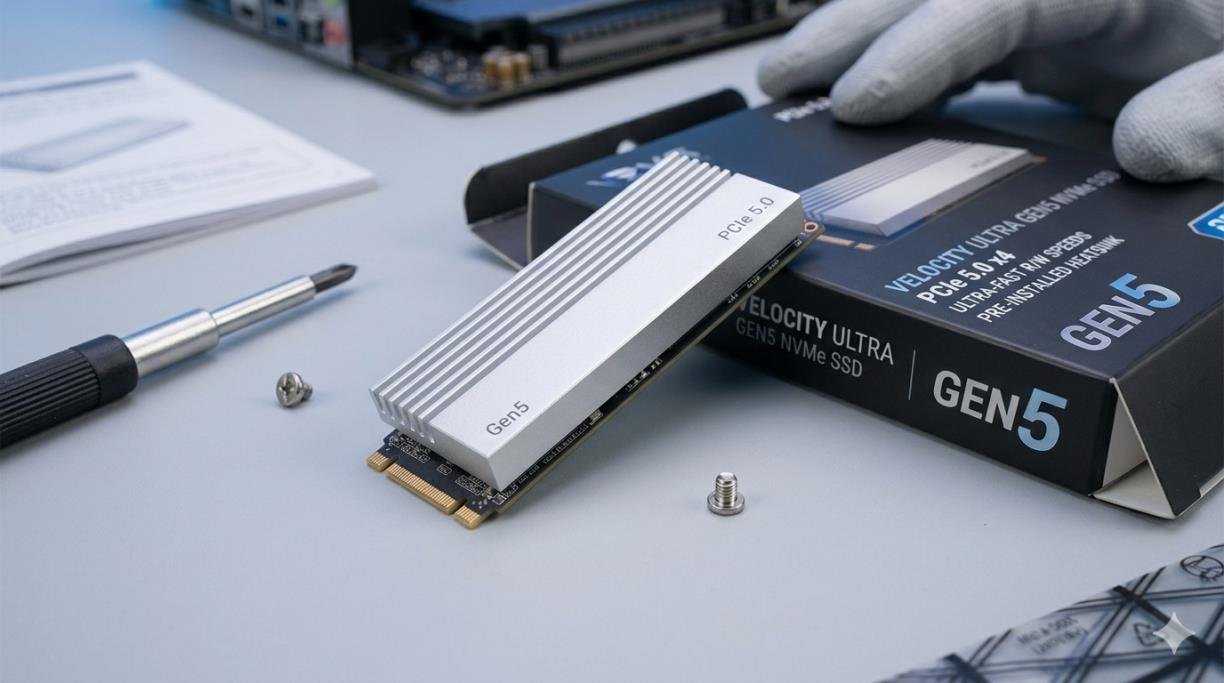
- Motherboard Compatibility: The motherboard must support PCIe 5.0 to fully utilize Gen5 SSD performance.
- Cooling System Requirements: Adequate cooling is necessary to maintain stable performance under heavy workloads.
- Storage Capacity Selection: Capacity should be chosen based on usage requirements such as gaming or professional work.
- Budget Considerations: Cost should be balanced against actual performance needs.
Future of SSD Technology
- What Comes After Gen5 SSD: The next expected development is PCIe 6.0-based storage technology.
- Expected Speed Improvements: Future SSD generations are expected to further increase bandwidth and reduce latency.
- Role of PCIe 6.0 in Future Storage: PCIe 6.0 will support even more demanding applications such as advanced AI processing and large-scale simulations.
Conclusion
Gen 5 SSD represents a major advancement in storage technology, offering extremely high speed and improved efficiency. While it is not necessary for all users, it provides significant advantages for professionals, gamers, and creators who require maximum performance. For everyday users, earlier generations of SSDs still offer excellent value and sufficient speed.