

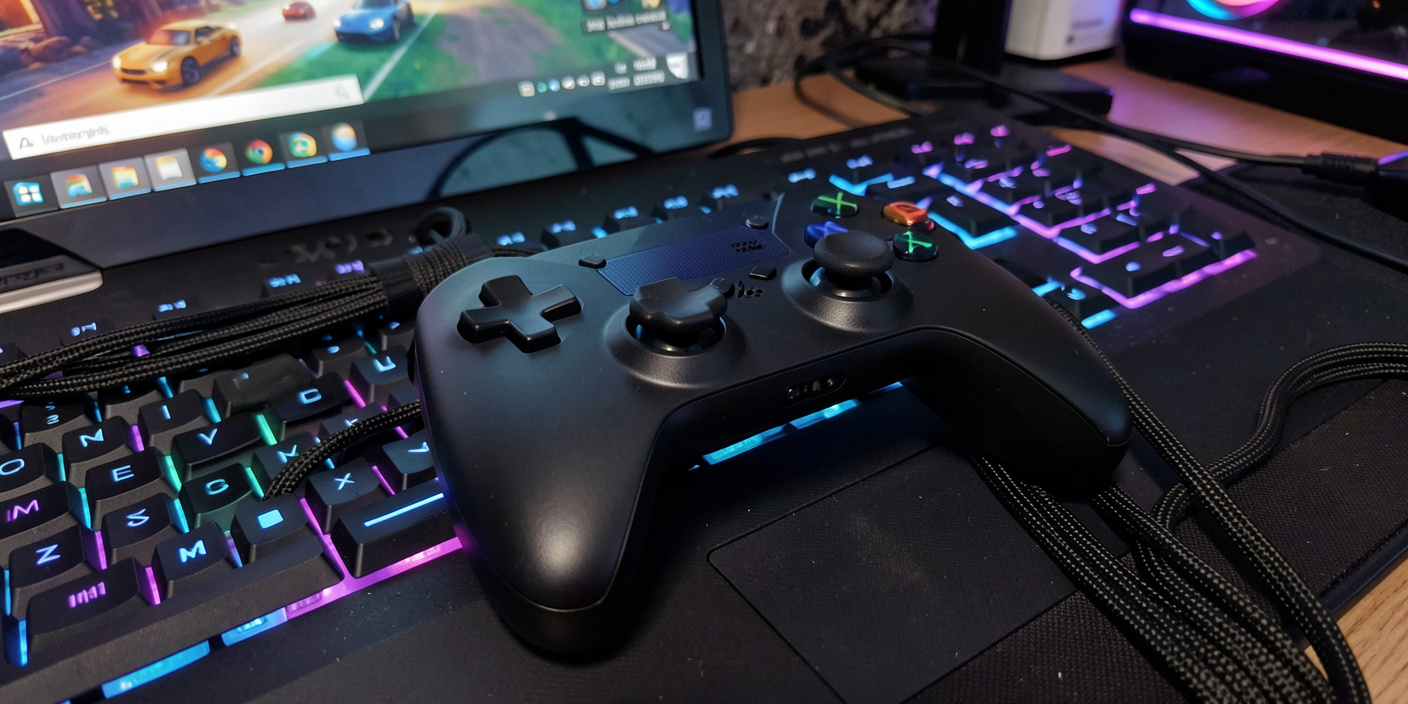
Javaobjects console & PC gaming explains how Java’s object-oriented programming powers modern games. Objects represent characters, items, and environments, making game worlds modular and interactive. Inheritance, polymorphism, and encapsulation allow developers to reuse code and create flexible mechanics. Games like Minecraft showcase how Java objects enable scalable, moddable gameplay.
Why Javaobjects Matter in Gaming
Java has played an influential role in game development, particularly in games that rely on object-oriented design. Java’s object-oriented programming (OOP) model — where everything is built from reusable objects — aligns well with modern games, allowing developers to model characters, environments, and game mechanics efficiently. This makes Javaobjects console & pc gaming a core concept for understanding how games are structured at the coding level.
Popular Console & PC Games Using Java Concepts
While Java isn’t the primary language for most AAA console titles, it has been successfully used in popular games. The most notable example is Minecraft, which was originally written in Java. Minecraft’s design shows how it enables highly interactive and moddable environments.
What Are Java Objects? A Simple Explanation
In Java, a class is a blueprint defining the properties (data) and behaviors (methods) of an entity. An object is an instance of that class. For example, in a game, the “Player” class defines what a player can do, and each actual player character in the game is a Player object. This distinction allows developers to create multiple independent game elements that behave similarly.
Real-World Analogy: Objects in Gaming
Think of a sports team: the team roster (class) defines what each player can do, while the actual players on the field (objects) each have their own stats and actions. Similarly, in Javaobjects console & pc gaming, each enemy, weapon, item, or projectile is an object created from a class template.
The Role of Java Objects in Game Development
Java objects represent nearly everything in a game world. Characters like players and enemies are objects with attributes such as health and speed. Items like weapons or power-ups also exist as objects, and background elements like walls or trees can be objects too. This object-oriented approach simplifies the organization of complex game worlds.
Managing Game Mechanics with Objects
Beyond visuals, Java objects control game mechanics such as collision detection, scoring systems, and AI behavior. Encapsulating behaviors into objects allows for modular and maintainable designs, which is essential as games grow in size and complexity.
Java Objects vs Other Programming Approaches in Gaming
Procedural programming executes sequences of instructions, whereas object-oriented programming focuses on defining objects that contain both data and behavior. In game development, OOP maps naturally to game entities, making code easier to maintain and expand.
Why OOP is Better for Complex Games
OOP principles such as encapsulation, inheritance, and polymorphism allow developers to create reusable, modular code. This reduces duplication and makes updating a complex game much simpler, which is why Javaobjects console & pc gaming is so effective.
How Console & PC Games Use Java Objects in Practice
Minecraft uses Java’s object-oriented model extensively. Every block, entity, and item is treated as an object with specific behaviors and attributes. This structure allows the game to be highly moddable, letting players and developers extend functionality by adding or modifying objects.
Game Engines Leveraging Object-Oriented Design
Game frameworks such as jMonkeyEngine and LibGDX utilize Java’s OOP capabilities to manage graphics, physics, and game logic efficiently. Objects allow developers to structure code in a way that maps directly to real-world game elements.
Creating Interactive Game Elements with Java Objects
Javaobjects Console & PC Gaming inheritance allows developers to create a base class, such as Entity, and then extend it into specific types like Player, Enemy, or NPC. This reduces code repetition and ensures shared behaviors are maintained consistently.
Polymorphism: Flexible Game Mechanics
Polymorphism enables the same method to behave differently for different objects. For instance, a move method might allow a player to sprint while making an enemy patrol, allowing dynamic and flexible gameplay mechanics.
Encapsulation: Keeping Code Organized and Secure
Encapsulation hides the internal details of objects, exposing only necessary functionality. This simplifies debugging and prevents unintended changes to critical systems, which is crucial as games increase in complexity.
Benefits of Javaobjects for Game Developers
Javaobjects Console & PC Gaming structured syntax and object-oriented programming (OOP) model help developers organize their code effectively. This makes it easier to build complex game systems without getting lost in messy logic. As a result, debugging becomes faster and game development is more efficient overall.
Reusable and Modular Code
Objects allow code to be reused across multiple game elements. For example, the same logic for AI behavior can be applied to different enemies, reducing development time and errors.
Scalable Game Design
OOP enables scalable game design, making it easier to add new features without disrupting existing systems. This is especially important for games that continue to grow post-launch.
Challenges and Limitations
While Javaobjects console & pc gaming works well for many types of games, Java can be slower in raw performance compared to lower‑level languages like C++ due to how the JVM works, which may limit its suitability for cutting‑edge AAA titles.
Memory Management Concerns
Java’s garbage collection simplifies programming but can cause unpredictable pauses if many objects are created or destroyed rapidly, affecting real-time gameplay.
When Java May Not Be the Best Choice
Many major game engines and consoles are optimized for C++ or C#. While Java is excellent for PC games and educational projects, it may not be the top choice for cutting-edge console development.
Conclusion: Javaobjects Shaping the Future of Gaming
Javaobjects console & pc gaming is a foundational concept in game development. It enables developers to create complex, scalable, and interactive game worlds efficiently. Even if Java is not the leading language for AAA consoles, its object-oriented principles continue to influence PC gaming and the indie game community, ensuring a bright future for developers who embrace Java objects.
FAQs About Javaobjects Console & PC Gaming
What are Java objects in gaming?
Java objects are instances of classes used to represent characters, items, and environments in games.
Why are Java objects important for PC and console games?
They make game development modular, scalable, and easier to manage complex gameplay mechanics.
Which games use Java objects?
Minecraft is a prime example, and frameworks like LibGDX and jMonkeyEngine also rely on Java objects.
How do Java objects improve game code?
They enable inheritance, polymorphism, and encapsulation, making code reusable and flexible.
Are there limitations to using Java objects in gaming?
Yes, performance and memory management can be challenging in graphics-intensive or AAA games.
