

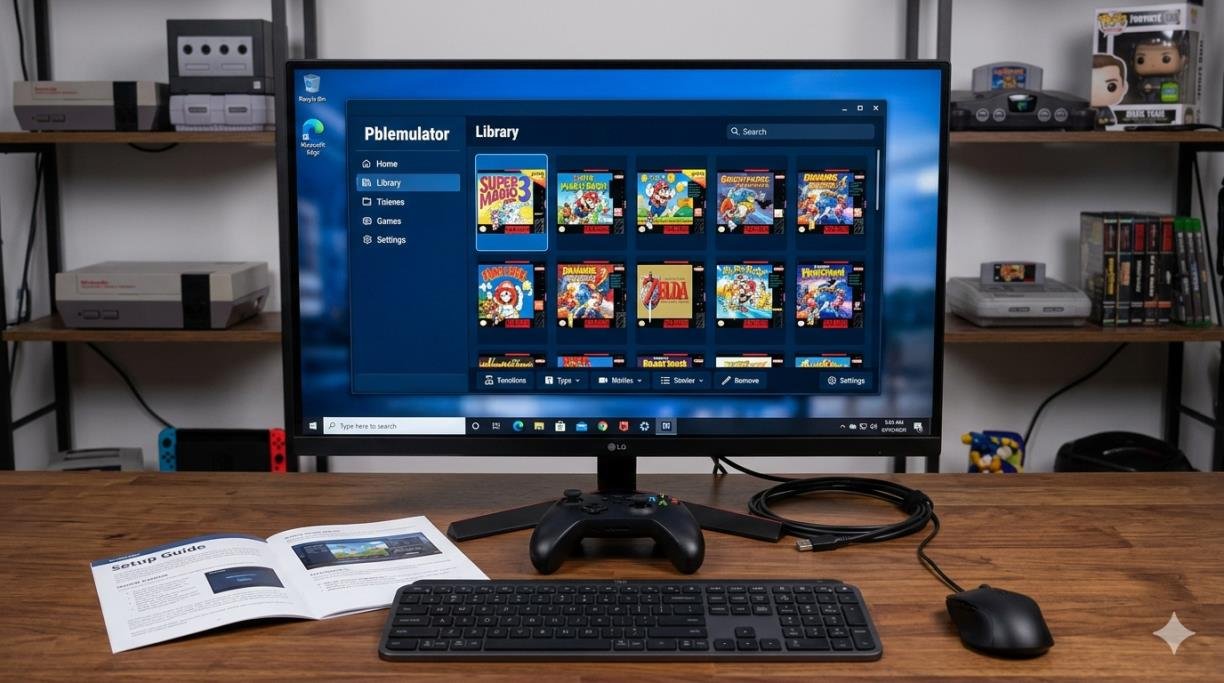
Many users want to play high-end mobile games on a low-end PC, but performance issues like lag, frame drops, and crashes often become a problem. A properly optimized setup can significantly improve the gaming experience. The process of set up for pblemulator focuses on configuring an Android emulator in a way that balances performance and stability on weak hardware systems.
What Is Pblemulator and How Does It Work?
An emulator is a software program that creates a virtual Android environment on a computer. It allows users to run mobile applications and games on a PC without needing a smartphone. Gamers use emulators because they offer better control options, larger screens, and customizable performance settings that are not available on mobile devices.
Key features of pblemulator for gaming
A properly optimized set up for pblemulator using BlueStacks provides several gaming advantages:
- Multi-instance support for running multiple games
- Custom key mapping for better control in FPS games
- Performance modes (low/medium/high)
- GPU rendering options for smoother graphics
- Background optimization tools
These features help reduce lag and improve responsiveness during gameplay.
How it helps run high-end games on low-end PCs
Even if your PC is weak, an emulator optimizes resource usage. Instead of overwhelming your system, it allocates CPU and RAM efficiently.
With a proper set up for pblemulator, high-end games like battle royale or racing games can still run by:
- Reducing resolution load
- Optimizing rendering engine
- Limiting background processes
- Using performance mode instead of high-quality mode
System Requirements for Running Pblemulator
To start your set up for pblemulator, your system should at least meet:
- 4GB RAM (minimum)
- Dual-core processor (Intel/AMD)
- 5GB free disk space
- Updated graphics drivers
This setup can run basic games but may need optimization for smooth performance.
Recommended system requirements
For a better experience:
- 8GB RAM or higher
- SSD storage for faster loading
- Quad-core processor
- Dedicated GPU (optional but helpful)
These specs allow smoother gameplay and better FPS stability.
Why system specs matter for performance
System specifications directly affect emulator performance. RAM determines how many processes can run smoothly, the CPU controls processing speed, and the GPU handles graphical output. If any of these components are weak, performance drops even if the emulator is properly configured.
How to Set Up for Pblemulator (Step-by-Step Guide)
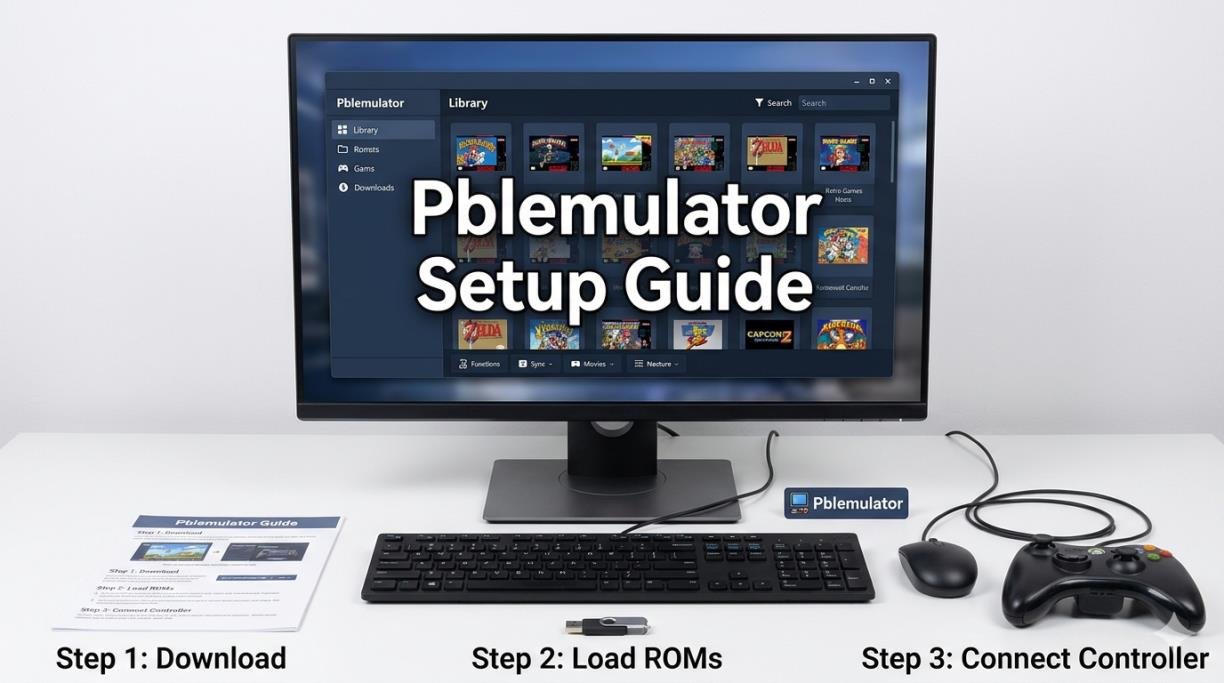
The first step in set up for pblemulator is installing a reliable Android emulator. Users should download the software from an official and trusted source to avoid corrupted or unsafe files. After downloading, installation is completed by following on-screen instructions.
Initial setup and first launch settings
After installation, the emulator will require initial configuration. This includes signing in with a Google account and selecting basic performance preferences. Users should avoid installing unnecessary apps during the first launch to keep the system lightweight.
Configure CPU cores and RAM allocation
One of the most important steps in setup is resource allocation. For low-end PCs, assigning two CPU cores and 2GB to 4GB of RAM is usually optimal. This ensures the system is not overloaded while still providing enough resources for smooth gameplay.
Best Settings to Play High-End Games Smoothly
Graphics settings should be adjusted according to system capability. Low-end PCs should use low or balanced mode to reduce GPU load. High settings are only suitable for powerful systems.
Screen resolution and DPI setup
Lower resolution settings such as 1280×720 reduce strain on the GPU and improve frame rate. Set Up for Pblemulator DPI settings should also be kept low to maintain stable performance during gameplay.
FPS settings for stable gameplay
Frame rate plays an important role in gaming smoothness. For low-end systems, 30 FPS is more stable. Higher FPS settings like 60 should only be used if the system can handle it without lag.
Choosing performance mode for low-end PCs
Performance mode prioritizes speed over visual quality. It disables unnecessary graphical enhancements and focuses on smooth gameplay. This is the most suitable mode for it on weak systems.
How to Improve Performance on Low-End PC
Background applications consume memory and CPU resources. Closing them before running the emulator helps free up system resources and improves gaming performance. Updated graphics drivers improve compatibility with games and emulator software. They also fix bugs and improve rendering efficiency, which helps reduce lag.
Adjust in-game settings
Set Up for Pblemulator game, reducing texture quality, disabling shadows, and lowering effects can significantly improve FPS. These settings reduce the load on the system and make gameplay smoother.
Use emulator optimization tools
Most emulators include built-in optimization features that help improve performance. These tools manage CPU usage, memory allocation, and background processes automatically.
Common Issues and How to Fix Them
- Pblemulator lagging or freezing: Lag is usually caused by insufficient RAM or high graphics settings. Reducing resolution and closing background applications can resolve this issue.
- Games not loading properly: This problem can occur due to corrupted files or unstable internet connections. Clearing cache or reinstalling the game often solves it.
- Low FPS and stuttering problems: Low FPS is usually linked to disabled virtualization or incorrect performance settings.
Best Games You Can Play Using Pblemulator
- Popular high-end games that run smoothly: With a proper set up for pblemulator, games such as PUBG Mobile, Call of Duty Mobile, and similar titles can run on medium to low settings depending on system capability.
- Games suitable for low-end PCs: Lightweight games such as Subway Surfers, Clash of Clans, and similar casual games run smoothly even on basic systems.
- Performance expectations for each type: High-end games require optimized settings to maintain stability, while lightweight games generally run smoothly without major adjustments.
Tips for Smooth Gaming Experience
- Keep your system cool and optimized: Overheating can reduce performance and cause lag. Proper ventilation or cooling solutions help maintain stable performance.
- Regular updates and maintenance: Keeping both the emulator and system drivers updated ensures better compatibility and improved performance.
- Avoid overloading the emulator: Running multiple heavy applications at the same time reduces available system resources and affects gaming performance.
Final Verdict
A proper set up for pblemulator helps you run high-end games smoothly on a low-end PC. Optimizing CPU, RAM, and graphics settings improves overall performance. Low resolution and performance mode reduce lag and increase FPS stability. Virtualization plays an important role in boosting emulator speed. Keeping your system clean and updated ensures better gaming results. With the right settings, even a weak PC can deliver a smooth gaming experience.
